

CBD, short for cannabidiol, is one of the best-known compounds found in cannabis and hemp. Unlike THC, CBD does not usually produce the intoxicating “high” associated with marijuana. That difference is one reason CBD oils, capsules, gummies, and topicals have become so popular.
Still, CBD is often marketed with claims that go further than the evidence supports. Some uses are better studied than others. The FDA has approved one prescription cannabidiol medicine for certain seizure disorders, but most over-the-counter CBD products have not been evaluated or approved by the FDA for treating pain, anxiety, cancer, sleep issues, or other medical conditions.
This guide explains what CBD is, where CBD oil comes from, what current research does and does not show, and how to think about CBD products more safely.
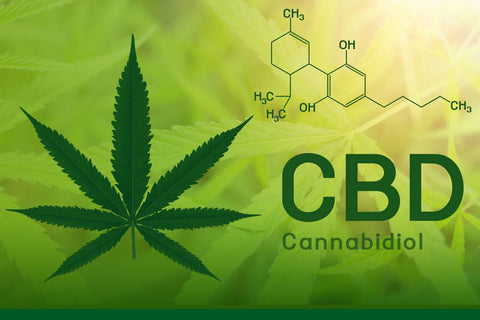
What Does CBD Stand For?
CBD stands for cannabidiol. It is one of many naturally occurring cannabinoids found in cannabis plants. THC is the cannabinoid most associated with intoxication, while CBD is generally described as non-intoxicating.
CBD interacts with the body in complex ways. It does not work exactly like THC, and researchers continue to study how it affects cannabinoid receptors, non-cannabinoid receptors, ion channels, and other biological systems. For a more technical overview, see this review in the Rambam Maimonides Medical Journal.
For regular consumers, the main takeaway is simple: CBD is not the same as THC. It should not be expected to produce a marijuana-like high. However, “non-intoxicating” does not mean risk-free. CBD can still cause side effects, interact with medications, and vary widely in quality from product to product.
Where Does CBD Extract Come From?
CBD extract usually comes from hemp, a type of cannabis plant that is legally defined in the United States by its low THC content. Extraction methods vary, but CO2 extraction is one common way manufacturers separate plant compounds from raw hemp. For more background on extraction, see our guide to terpene extraction.
CBD extract and CBD oil are not always the same thing. Extract refers to the concentrated material taken from the plant. CBD oil usually means that extract has been blended with a carrier oil, such as MCT oil, coconut oil, hemp seed oil, or olive oil.
When comparing CBD products, check the label for CBD content per serving, total CBD per container, carrier oil, added ingredients, and whether the product includes a recent third-party lab report.
What Does Research Say About CBD?
CBD research is active, but it is easy to overstate what we know. The strongest evidence is not for general wellness products. It is for a prescription cannabidiol product approved by the FDA for specific seizure disorders. You can review the prescribing information for FDA-approved prescription cannabidiol.
For over-the-counter CBD oils, gummies, capsules, and creams, the evidence is much more limited. Studies may use different doses, different product types, pharmaceutical-grade CBD, small groups of participants, or animal and lab models that do not directly translate to real-world consumer products.
The sections below explain several common CBD claims and how to read them more carefully.
CBD Oil and Pain
CBD is often promoted for pain relief, but the evidence for CBD alone is still limited and mixed. A review of CBD for chronic pain found that available research does not support strong claims that over-the-counter CBD products reliably relieve chronic pain.
Some people report that CBD products help them feel more comfortable, but personal experiences are not the same as clinical proof. Anyone using CBD for ongoing pain, arthritis symptoms, or inflammation should speak with a healthcare professional, especially if they already take medication.

CBD may interact with several biological pathways involved in pain perception and inflammation, including serotonin and vanilloid receptor systems. However, receptor activity does not automatically mean a consumer product will produce a reliable medical result in humans.
CBD Oil and Anxiety
CBD is also commonly discussed for anxiety. Some human studies have explored CBD in anxiety-related settings, but the evidence is not settled. A recent review of CBD and anxiety research found that results vary and that more high-quality studies are needed.
THC may worsen anxiety for some people, especially at higher doses. CBD is different from THC, but it should not be described as a proven treatment for panic disorder, OCD, PTSD, generalized anxiety disorder, depression, or other mental health conditions.
If anxiety is affecting your daily life, CBD should not replace professional care. Speak with a qualified healthcare provider before using CBD for anxiety, especially if you take prescription medications.
CBD and Cancer Claims
You may see claims online that CBD can slow tumor growth or kill cancer cells. Much of this discussion comes from lab or animal research, not proof that CBD treats cancer in people.
CBD should not be used as a cancer treatment or as a replacement for oncology care. People with cancer should speak with their medical team before using CBD, especially because CBD can interact with medications and may affect how some drugs are processed by the body.
Cannabis and cannabinoids are sometimes discussed in relation to cancer-related symptoms, such as nausea or appetite changes, but that is different from treating cancer itself. Claims in this area should be read carefully and checked against medical guidance.
The Entourage Effect: What Does It Mean?
The “entourage effect” is the idea that cannabinoids, terpenes, and other compounds in cannabis may work differently together than they do alone. It is an interesting theory, but it is often used in marketing more confidently than the evidence allows.
Terpenes can affect aroma and flavor, and researchers continue to study how they may interact with cannabinoids. If you want to learn more, True Blue has a guide to different terpenes and their characteristics.
Consumers should be careful with concentrated terpenes. They are not meant to be used undiluted. See our guide on how to safely use terpenes before adding terpenes to any formulation.
How Should I Consume CBD?
CBD products come in many forms, including drops, capsules, gummies, beverages, and topicals. The best format depends on your goal, your preferences, and whether you need to avoid certain ingredients.
Before choosing a product, look for clear labeling, third-party testing, batch numbers, THC content, and serving size. Avoid products that promise to cure, treat, or prevent disease.
CBD Drops
CBD drops, often called tinctures, are usually placed under the tongue or mixed into food or drinks. When used under the tongue, CBD may be absorbed faster than a gummy or capsule, but timing varies by product and person.
Some people like drops because they make it easier to adjust serving size. Others dislike the taste or prefer a pre-measured format. If you are interested in making flavored drops, see our recipe guide for homemade CBD drops.
 CBD capsules are convenient, but labels and ingredients still matter.
CBD Capsules
CBD capsules are convenient because each capsule has a pre-measured amount of CBD. They are also easier for people who dislike the taste of CBD oil.
Capsules may take longer to take effect than sublingual drops because they pass through the digestive system. Check the full ingredient list, especially if you avoid certain oils, gelatin, allergens, or additives.
Travel rules for CBD can vary by location. Check local laws and transportation rules before carrying CBD products across state or national borders.
CBD Gummies and Edibles
CBD gummies are popular because they are familiar, portable, and easy to use. The downside is that edibles may take longer to work, and it can be tempting to take more before the first serving has had time to take effect.
Read the serving size carefully. Also check sugar content, flavorings, allergens, and whether the product contains any THC. Gummies should be stored safely away from children and pets.
CBD Creams and Topicals
CBD creams, balms, and lotions are marketed for localized use on the skin. Many products combine CBD extract with carrier oils, waxes, menthol, essential oils, or botanical ingredients.
Evidence for specific topical CBD claims is still limited. Be cautious with products that promise targeted pain relief, inflammation relief, or medical results. For a related overview, see our article on cannabis topicals.
Patch test new topical products before wider use, especially if you have sensitive skin or allergies.
What About CBD Skin Care?
CBD is also used in cosmetic products such as moisturizers, balms, body oils, and soaps. These products may appeal to people who like cannabis-derived ingredients, but cosmetic claims should stay modest.
Some early research explores cannabinoids and skin inflammation, but that does not mean every CBD skin care product will reduce redness, puffiness, acne, or irritation. Look for clear ingredient lists and avoid products that make disease-treatment claims.
 CBD topicals are common, but product claims should be checked carefully.
As with any topical product, stop using it if irritation occurs. Seek medical advice for persistent skin problems instead of relying on CBD cosmetics as treatment.
How Long Does It Take CBD Oil to Work?
CBD timing depends on the product type, serving size, body weight, metabolism, whether you have eaten, and the product formula.
Sublingual drops may work faster than edibles because some CBD can be absorbed through tissues under the tongue. Capsules and gummies usually take longer because they have to pass through the digestive system first. Topicals are different because they are applied to the skin rather than swallowed.
Because timing varies, avoid taking repeated servings too quickly. Follow the product label and use extra caution if you are new to CBD.
How Much CBD Should I Take?
There is no single CBD serving size that works for everyone. Product strength, body size, personal sensitivity, health conditions, and medications can all matter.
A cautious approach is to start with a low serving size, follow the product directions, and avoid increasing quickly. If you are using CBD for a health concern, speak with a healthcare professional first.
CBD may interact with medications, including some drugs that carry grapefruit warnings. It may also affect liver enzymes at higher doses. This is one reason medical guidance matters, especially for people with liver conditions or those taking prescription medications.
A Word on Side Effects, Safety, and Product Quality
CBD can cause side effects. The FDA notes potential concerns including liver injury, drug interactions, drowsiness, diarrhea, and changes in mood or appetite. See the FDA’s guidance on CBD products for more detail.
People who are pregnant or breastfeeding should be especially cautious. The FDA advises against using CBD, THC, or marijuana while pregnant or breastfeeding. See the FDA’s guidance for pregnancy and breastfeeding.
Product quality is another concern. CBD products may contain more or less CBD than the label says, and some may contain THC even when marketed as THC-free. A study on CBD product labeling and THC contamination found that labeling accuracy and contamination can be a real issue.
This matters for drug testing. Even small amounts of THC in a CBD product could create problems for people who are tested for work, sports, probation, or other reasons. Choose products with recent third-party lab reports, and avoid CBD if a failed drug test would carry serious consequences.
CBD Compared With Other Cannabinoids
CBD is only one cannabinoid. CBG, CBN, CBC, and THC are also discussed in cannabis and hemp products, but each has different properties and different levels of research behind it. For a related beginner-friendly guide, read our article on CBG isolate.
Final Thoughts
CBD is popular because it is non-intoxicating and readily available in many product formats. But popularity is not the same as proof. Some CBD research is promising, some is mixed, and some product claims go well beyond what current evidence supports.
Before buying CBD oil, check the label, confirm third-party testing, review THC content, and be cautious with strong health claims. If you take medication, have a medical condition, are pregnant or breastfeeding, or need to pass drug testing, speak with a qualified professional before using CBD.